Usb M-audio Micro
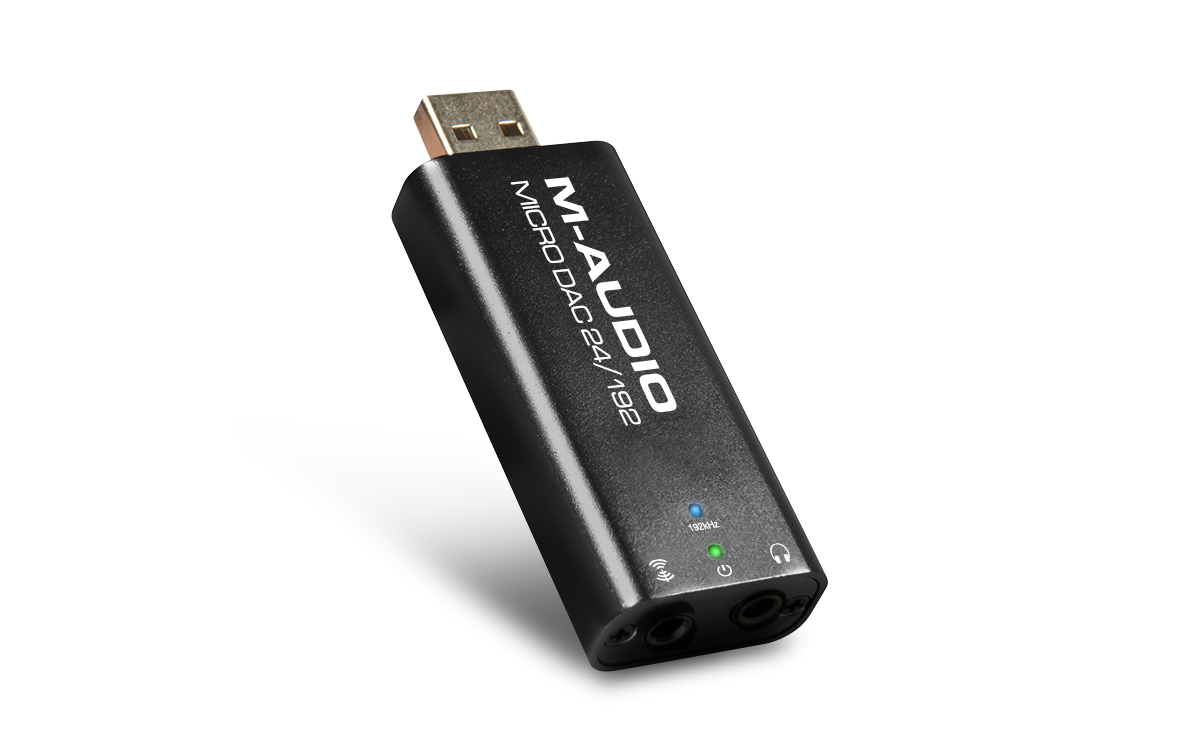
Burning sonny fodera remix zippyshare. The M-Audio Producer USB was one of the first USB microphones to hit the market a few years ago – ushering in an era of minimalistic mobile recording solutions. You no longer needed a host of middleware hardware to deliver decent audio into your computer or mobile device. USB microphones allow you to plug directly into your computers USB port and start recording. Buy your M-Audio Micro DAC Digital to Audio Converter from Sam Ash and receive the guaranteed lowest price. Enjoy our 45-day return policy. Call 800-472-6274 for expert advice.
Hp laserjet p1102w driver free download. “” Free Download HP LaserJet Pro P1102w for Windows 10, 8, Win 7, XP, Vista.
ShippingPassWant to get your items fast without the pricey shipping fees? With ShippingPass from Walmart, you can enjoy Every Day Low Prices with the convenience of fast, FREE shipping.
Whether you need a gift in a pinch or you're simply running low on household essentials, a ShippingPass subscription gets you the things you need without hurting your pocket.
When you purchase ShippingPass you don't have to worry about minimum order requirements or shipping distance. No matter how small the order or how far it needs to go, ShippingPass provides unlimited nationwide shipping. If you need to return or exchange an item you can send it back at no cost or take it to your neighborhood store.
To see if ShippingPass is right for you, try a 30-day free trial. Also, with ShippingPass, there is no need to worry about commitment. If you decide you want to discontinue the service, you can cancel your subscription at any time. No matter what your shipping needs, Walmart's got you covered. Sign up for ShippingPass so you can shop more, save money and live better.
Once upon a time, there was this scary idea that computer manufacturers would lock down our machines with a purely-digital, 'protected,' end-to-end music delivery system. The fear driving this shift, which did not happen: the so-called 'analog hole.'
The analog hole can allow someone to record otherwise 'protected' audio on its way to speakers. The person who recorded the song can then share it via P2P with millions of music fans who would never bother connecting an analog recording device to a computer's output and hijacking the audio that way.
One solution that was bandied around back then: to create a Secure Audio Path (SAP) all the way from the playback software to our speakers, protecting then whole chain with digital rights management (DRM). This would close the analog hole. Happily for music fans, that vision was never realized, meaning that USB Audio devices--a standard compatible with Mac, Windows, and Linux--can play music from any source normally handled by your regular analog output--the one most people connect to headphones or speakers.
Connected devices have largely obviated the need for onerous DRM technologies in the first place by letting listeners prove they have the right to listen to a piece of music simply by signing in to an app or Web site. DRM is invisible. Luckily for us, it doesn't care whether your output is analog (the regular kind) or digital (USB).
Now, to the main topic at hand: your computer's USB audio port, which can connect to external audio devices that play music from any Web site, file, music service, or app.
So why would you want to use USB Audio instead of your computer's regular input?
The answer is simple: mainly, because USB Audio devices tend to sound better than your computer's regular output, because they process the audio (turning it from digital to analog) farther away from your computer's other electronics, which tend to add audio interference. (Using the regular output, you can actually hear a buzz from some computers with sensitive headphones--especially with a laptop.) In addition, USB Audio devices can offer surround sound (5.1- or 7.1-channel sound), even if your computer lacks that option.
This is probably the simplest tutorial I have ever written in terms of the steps you'll need to take. The trick is mainly just knowing that USB Audio works with everything.
You can buy any USB Audio-compatible module, amplifier, speaker, headphone, or microphone (examples below), and simply plug it into your computer and you're pretty much good to go. It will be able to play music from any desktop or web app: MOG, Spotify, Rdio, Hype Machine Radio, Turntable.fm--you name it.
Here's how you switch your output to a USB audio device in Windows:
Then select the USB audio device:
And here's how you do it on a Mac (I'm not on a Mac today, so this screenshot comes courtesy of Chris Bowler):
Plenty of options exist for USB Audio devices online and at your local tech store. All of them will work with all of your desktop and web music apps, making them sound better.
Altec Lansing Orbit Stereo USB PC speakers have a nice, tubular design, and any USB-powered speakers make for easier travel, because you don't need to carry a power cord with you--they get all the juice they need from your computer. (Frequent travelers might also consider a completely cordless Bluetooth option like the Jawbone Jambox.)
That said, larger speakers that get their power from the wall rather than from your computer's USB port will always sound better. If you're looking to boost your sound quality in your home, dorm room, or office, go with a USB audio module like the ones listed here on CNET (disclosure: I worked at CNET from 1997 to 2005) and then connect those to powered speakers or your sound system of choice.
There is one more, far more 'out there' option for music fans with some extra scratch (about $800) who want to turn extremely 'digital' sources like Spotify into warm, tube-amplified sound: the Glow Audio Amp One (manufacturer's Web site), pictured to the right, which runs your sound through four vacuum tubes--the same kind found in some high-end audiophile systems.
It's a great conversation piece, and sounds great too, although it's definitely for the desktop at 5 watts per channel for powering speakers (you can also use headphones). More practically-minded folks will want to stick with the less-expensive (and still great-sounding) digital options listed here.
Uber versus Lyft: Best tips to save you money when you hail a ride.
Tips to secure your Facebook account: It doesn't take long to make sure your Facebook account is locked down.